
This article presents a case study of resisting electoral manipulation in the United States between the 2020 and 2024 elections. This time was an interlude between two autocratization episodes, which entailed favourable conditions for resistance.
The article applies and develops further the framework by Tomini, Gibril, and Bochev for categorizing actors resisting autocratization and combines it with another contemporary framework designed to analyse electoral manipulation. In addition, it develops a novel framework of resistance strategies. The article answers the following questions: (1) What kinds of actors attempted to resist electoral manipulation? and (2) What were their strategies? The United States is rarely examined in extant autocratization studies, and this article addresses the gap with a timely case study.
The article finds that electoral manipulation was resisted by a multitude of actors, which this author categorizes as institutional, political, social, and grassroots resisters, departing from the original framework by Tomini and his colleagues with a novel definition for the social category and the inclusion of the fourth category. Their strategies are categorized in the article as judicial, socio-discursive, procedural, collective, legislative, passive, punitive, and creative. Although there was some cooperation between resisters, overall resistance was scattered.
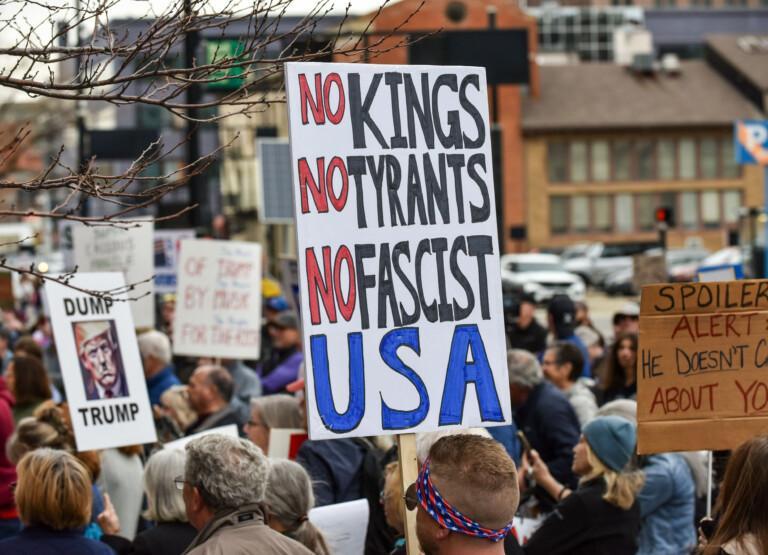
Photo: Jason Whitman / NurPhoto / Lehtikuva