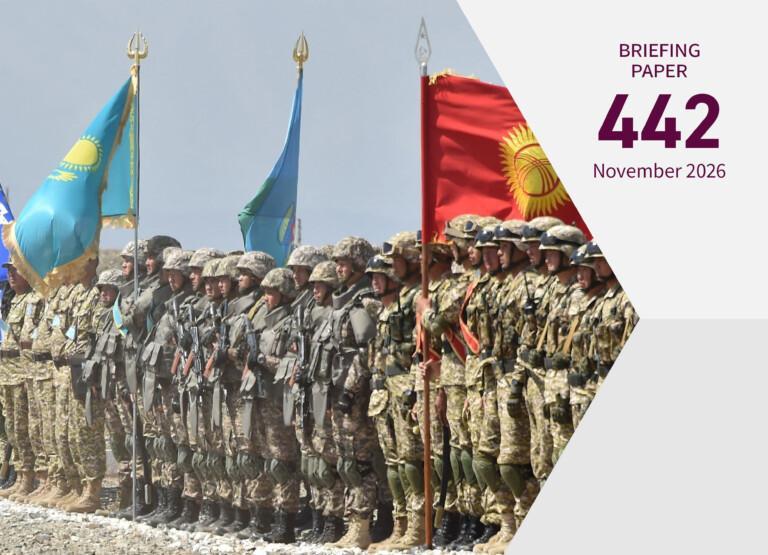

Russia remains a central security partner for the Central Asian states despite its ongoing war in Ukraine. However, its position of primacy is eroding. China, Turkey, and other external actors have gained a foothold in the region’s security sector on terms set by Central Asian governments.
Russia’s arms exports to Central Asian states have decreased because of wartime demand and sanctions targeting its military-industrial sector. The region’s governments have responded by purchasing weapons from alternative partners, continuing a diversification trend that predates 2022.
Although the Collective Security Treaty Organization (CSTO) is marred by internal tensions, its infrastructure and Russia’s military facilities remain intact. Central Asian governments continue to participate in education and training activities offered by Russia, which in turn seeks to capitalize on its combat experience in Ukraine.
Finland and its EU and NATO partners should support the efforts of Central Asian governments to diversify their security partnerships. They can propose practical cooperation initiatives, especially in the areas of security education, human security, and environmental security. Such collaboration is, however, limited by the authoritarianism of the region’s governments and their close ties to Chinese and Russian actors.