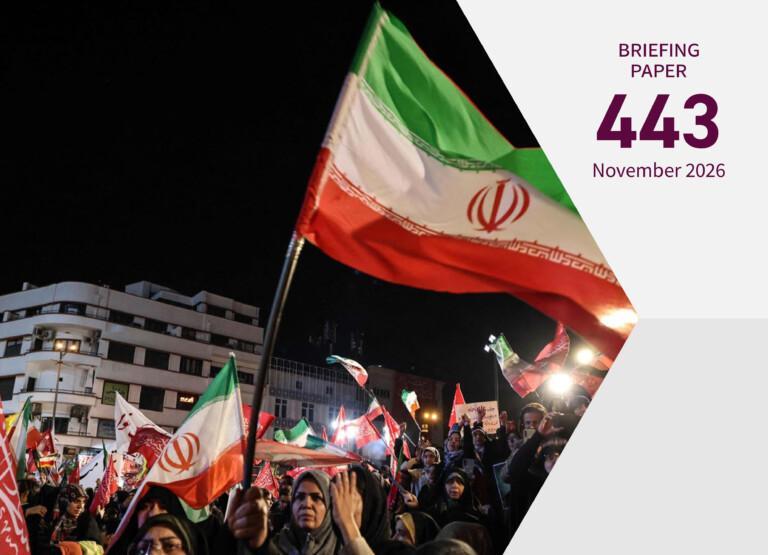

The ongoing war between the US and Iran has shattered the Middle East’s security architecture, replacing a predictable US-backed ‘oil-for-security’ framework with unprecedented volatility.
Sparked by decades of rivalry, Iran’s nuclear ambitions, and the 2025–2026 US-Israeli airstrikes aimed at regime change, the conflict escalated when a hard-line Iranian IRGC military junta took power. Iran launched massive missile retaliations against Israel and US assets.
The war has triggered a global geoeconomic crisis by choking vital maritime arteries. Iran mined the Strait of Hormuz, halting a quarter of global seaborne oil trade, while Yemen’s Houthis seized the Bab el-Mandeb Strait. This choke point crisis caused hyperinflation in Iran, crippled energy exports in Saudi Arabia and Kuwait, harmed Qatar’s and the United Arab Emirate’s investment images, and damaged Suez revenues for Egypt.
Three future trajectories emerge for this new multipolar region: a bifurcated development path between wealthy Gulf nations and fragile states, potential nuclear escalation, or a collaborative ‘Helsinki process’ to seek a shared security architecture.