
This essay explores the theme of speed of change in defence budgets for nations that experience violent deteriorations in their security environments, with a focus on responses to the Russia-Ukraine war. The analysis is innovative in exploiting both long-term historical data and especially collected national data on budget revisions within fiscal years. Recent increases in European defence burdens are comparable to those of European states during the 1930s. The increases are stronger for states that are geographically closer to Russia and, among those states, stronger for larger states. Smaller states tend to choose lower defence burdens, whether or not they are in an alliance. These findings challenge the traditional understanding of free riding within alliances and imply a need for defining new types of state behaviour. Two new behaviours are posited: binding for the case of Poland, and antagonistic free riding for the case of Hungary.
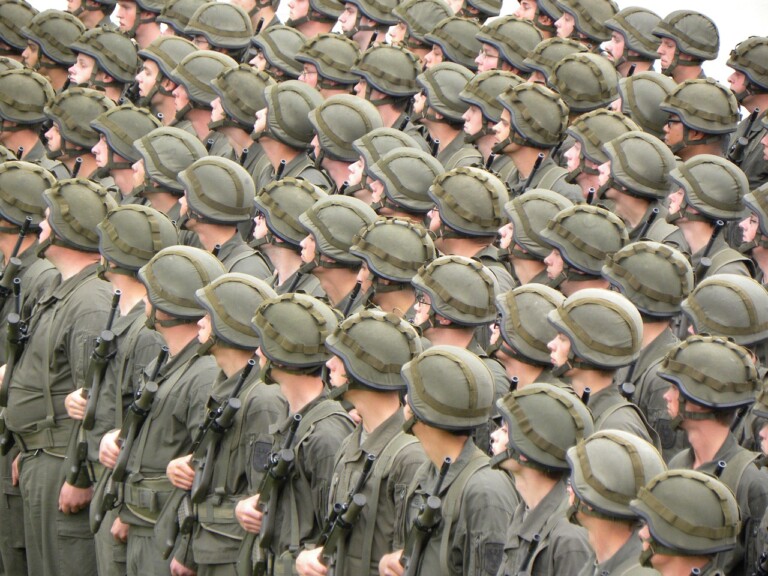
Exploring the speed of change: European defence budgets in an age of danger
Defense and security analysis: 1–22. Taylor & Francis.

Edward Hunter Christie
Senior Research Fellow
(Employment at FIIA has ended)
(Employment at FIIA has ended)
Caroline Buts
—
Cind Du Bois
—
You may also be interested
FIIA Report
Helsinki Security Forum 2026 report












Publications intended for professional communities
European business survey – Bridging the gap between geopolitics and corporate strategy

Cora Jungbluth
Jacob Gunter
Maaike Heijmans